What is the difference between U lock and folding lock?
Jan 17, 2024
A U-lock and a folding lock are two common types of bicycle locks with significant differences in design and usage. Here is a detailed comparison in English, covering aspects such as structure, security, portability, and pricing.
Structure and Design
U-lock:
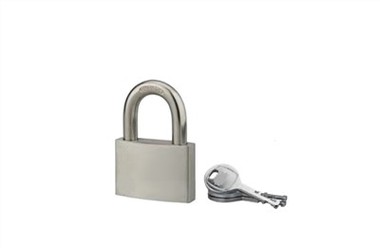
A U-lock is a lock shaped like the letter 'U,' typically constructed from robust materials such as steel or alloy. The two ends of the U-lock are connected to a fixed locking mechanism, forming a sturdy arc. This design enhances resistance against leverage and cutting attacks.
Folding lock:
A folding lock is a chain lock that can be folded, usually comprised of interconnected metal plates or rings. These metal pieces or rings are linked by hinges, allowing the entire chain to unfold during use and fold into a more compact shape when not in use. The flexible design of the folding lock adapts well to various locking scenarios.

Security
U-lock:
The U-lock is considered highly secure due to its robust metal structure. Its U-shape makes it challenging for attackers to use pry bars or cutting tools effectively. However, advanced tools and techniques may still pose a threat to U-locks, especially with prolonged usage or in high-risk areas.
Folding lock:
The security of a folding lock depends on the thickness of its materials and chain. High-quality folding locks can offer significant resistance to attacks, but the connection points of a folding lock may be vulnerable compared to a U-lock. Attackers might exploit the hinges, emphasizing the importance of choosing a durable and high-quality folding lock.
Portability
U-lock:
U-locks are generally relatively heavy, and their rigid shape may make carrying them somewhat inconvenient. Some U-locks come with built-in brackets that allow convenient attachment to the bicycle frame, reducing the burden of carrying.
Folding lock:
Folding locks have an advantage in terms of portability. The ability to fold the chain allows for more compact storage on the bicycle frame or in the rider's bag when not in use. This makes folding locks more suitable for riders who need to carry them frequently.
Pricing
U-lock:
In general, U-lock prices are relatively stable and depend on factors such as material, size, and brand. Higher-end U-locks may have a higher price tag, reflecting their superior security performance.
Folding lock:
The pricing range for folding locks is broader, depending on factors such as materials, manufacturing processes, and brand. Some high-end folding locks may be priced similarly to U-locks with equivalent security features, while more budget-friendly options are also available.
Conclusion
In conclusion, both U-locks and folding locks have their advantages and disadvantages, and the choice depends on individual usage needs and priorities. If security is the primary concern, especially in high-risk areas, a U-lock may be more suitable. However, if portability and flexibility are crucial, a folding lock might be the better choice. Ultimately, riders should weigh these factors based on their circumstances and choose a bicycle lock that best fits their needs.